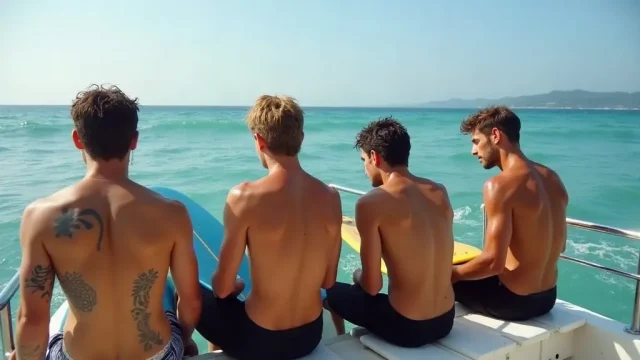
Mentawai liveaboard boats are mostly 15 to 30 metre surf vessels that sleep around 6 to 12 guests, depart from Padang and move between surf zones overnight. They range from simple surf-first boats with twin cabins to premium yachts with en-suite, air-conditioned cabins and two tenders. Comfort, tenders and safety gear vary by boat, so compare specifics.
Choosing a boat is the decision that shapes your whole trip. The waves are shared by everyone, but the cabin you sleep in, the tender that runs you to the line-up and the crew who plan each move are particular to one vessel. This guide explains the main types of Mentawai liveaboard boats you will meet when comparing operators, what each usually offers, and the questions that separate a well-run boat from a tired one. We are an independent planning guide, not a boat owner, so the aim is to help you compare honestly.
The main types of Mentawai liveaboard boats
There is no official classification, and operators use words like “premium” and “luxury” loosely. In practice, most boats fall into one of five broad groups.
| Boat type | Typical length | Typical guests | What to expect |
|---|---|---|---|
| Surf-first boat | About 15 to 22 m | 6 to 10 surfers | Shared or twin cabins, simple fit-out, often one tender, focus on waves over comfort |
| Mid-range surf charter | About 18 to 25 m | 8 to 12 surfers | Air-conditioned cabins, shared or some private bathrooms, a reliable tender |
| Premium or luxury yacht | About 22 to 30 m and above | 8 to 12 guests | En-suite cabins, more deck and lounge space, often two tenders and a larger crew |
| Converted traditional hull | Varies widely | Varies | Local wooden boats refitted for surf charters; comfort ranges from basic to very good |
| Catamaran | Varies | Usually smaller groups | Wide, stable deck; fewer available in Mentawai, so check crossing comfort and range |
Size is not the same as quality. A well-maintained 18 metre boat with a sharp skipper and a fast tender can give a better surf trip than a bigger yacht with a slow tender and a rigid routine.
Cabins and layouts
Cabin layout is where boats differ most. On surf-first boats you may share a twin cabin with another surfer, and bathrooms may be shared between cabins. Mid-range boats typically offer air-conditioned twin or double cabins, sometimes with a private bathroom. Premium boats usually have en-suite cabins with hot water and more storage.
- Twin vs double: solo surfers on shared departures usually take a berth in a twin cabin. Couples should ask whether a true double bed is available.
- Air conditioning hours: some boats run cabin air conditioning only at night, when the generator is on. Ask when it runs.
- Bathrooms: ask how many bathrooms serve how many guests, and whether showers are fresh water.
- Board storage: boards usually live in deck racks. Ask how many boards per person the boat can carry.
Tenders, crew and day-to-day running
The tender is the small boat that takes you from the mother ship to the line-up. A boat with a fast, reliable tender, or two tenders, can split the group between waves and keep you surfing rather than waiting. On smaller boats a single tender is normal and works well for a compact group.
Crew numbers vary, but a Mentawai charter usually carries a captain, tender drivers, a cook and deckhands, and many boats include a surf guide who chooses breaks and briefs the group on reef hazards. Meals are usually cooked aboard, three times a day, with snacks and soft drinks; alcohol is often extra or bring-your-own. Ask the operator for the crew list and who holds first-aid training.
Safety equipment to ask about
Do not assume every boat carries the same gear. Before booking, ask the operator to confirm in writing what is on board and when it was last serviced:
- Life jackets for every person, including children’s sizes if relevant
- A life raft with capacity for everyone aboard
- VHF radio and a satellite phone or other long-range communication
- An EPIRB or similar emergency beacon
- A well-stocked first-aid kit, including supplies for reef cuts
- Fire extinguishers and a clear plan for medical evacuation to Padang
The Mentawai Islands are remote, and serious injuries need transfer to the mainland. Travel insurance that covers surfing and medical evacuation is essential whichever boat you choose. Our guide to Mentawai surf charter safety covers the questions in more depth.
Comparing a whole fleet list without being misled
When you browse operator websites you will see long lists of named vessels, often with glossy photos and words like “best” or “award-winning”. Treat these lists as marketing until the operator backs them up. A few habits help:
- Ask for the specific boat. Some agents advertise a fleet but sell whichever boat has space. Get the boat name in the booking confirmation.
- Ask for recent photos of the cabins you will use. Refits and wear change boats over time.
- Check the cabin plan against your group. Count beds, bathrooms and the number of people per cabin.
- Ask how old the engines and generator are. Breakdowns are the most common cause of lost surf days.
- Read the inclusions list. Transfers, surf guiding, the Mentawai surf levy and drinks are handled differently by each boat.
Because boats are shared by many agents, the same vessel can appear on several websites at different prices. Comparing written inclusions side by side is the fastest way to see whether a cheaper quote is really cheaper.
Which boat suits which group
Match the boat to the trip rather than to the brochure. Keen surfers on a budget, travelling solo or as a pair, often do well on a surf-first or mid-range boat on a shared departure. Groups of eight to twelve friends who want control over the plan should look at whole-boat charters on mid-range or premium boats. Couples and mixed groups with non-surfers usually value en-suite cabins, shade, deck space and a second tender for beach or snorkel trips. If comfort is the priority, see our guide to a Mentawai luxury surf charter, and for how packages are structured, our page on Mentawai surf charter packages.
Quick facts
- Departure point: Padang, West Sumatra, for almost every boat
- Typical boat length: about 15 to 30 metres
- Typical guests: around 6 to 12, depending on the boat
- Typical trip length: 10 to 12 nights, with some shorter options
- Cabins: from shared twins to en-suite, air-conditioned doubles
- Main surf season: roughly April to October
- Always confirm the boat name, cabin plan and safety gear in writing
Frequently asked questions
How many people fit on a Mentawai liveaboard boat?
Most boats carry around 6 to 12 guests. Smaller surf-first boats suit groups of six to eight, while larger mid-range and premium boats usually take ten to twelve.
Do Mentawai liveaboard boats have air conditioning?
Most mid-range and premium boats have air-conditioned cabins, but some run it only at night when the generator is on. Simpler boats may rely on fans. Ask the operator before booking.
Do all boats have private bathrooms?
No. En-suite cabins are common on premium boats, while many surf-first and mid-range boats share bathrooms between cabins. Check the ratio of bathrooms to guests.
Is a bigger boat always better?
Not necessarily. A bigger boat is usually more stable and comfortable, but the skipper, the guide and the tender set the quality of your surfing. A smaller, well-run boat can outperform a larger one.
Can I choose a specific boat?
Yes, and you should. Ask for the boat name in your booking confirmation so you are not moved to a different vessel without agreement.
Get help comparing boats
Tell us your group size, dates, surfing level and the comfort you need, and we will help you shortlist suitable Mentawai liveaboard boats and the questions to ask each operator. Message us on WhatsApp or email bd@juaraholding.com, or start with our overview of the Mentawai surf charter options.