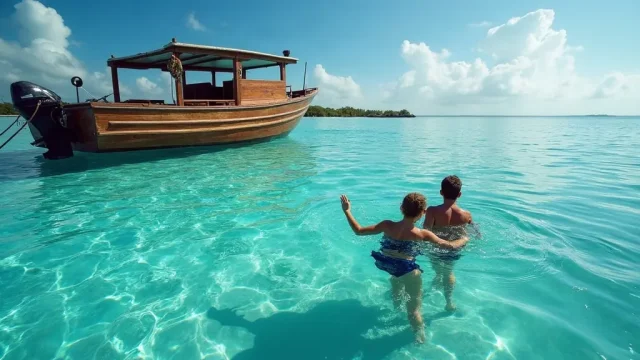
Choosing between a Mentawai surf camp and a liveaboard comes down to mobility versus a fixed base. A surf camp is usually cheaper and gives you solid ground, but you stay in one zone. A liveaboard costs more and is more confined, but it moves with the swell, wind and crowds. Mixed groups and tighter budgets often prefer camps. Surfers chasing variety usually prefer boats.
The Mentawai surf camp vs liveaboard question is one of the most common decisions surfers face when planning this trip. Both can deliver world-class waves, and both have real drawbacks. This guide compares them honestly on surf access, crowds, comfort, cost and who each one suits, so you can pick the format that fits your group. We are an independent planning guide. We don’t own camps or boats. We help travellers understand the trade-offs and get in touch with operators.
Mentawai surf camp vs liveaboard: the core difference
A surf camp is land-based. You sleep in a bungalow, guesthouse room or shared dorm on one island, and small boats take you to breaks within reach of that base each day. A liveaboard, also called a surf charter, is a boat you live on for the whole trip. It anchors beside the waves and can move between regions, often overnight.
Everything else follows from that. A camp is stable, social and usually cheaper. A boat is flexible and surf-focused. When you compare a Mentawai surf charter vs surf camp, you are really asking how much you value the ability to chase conditions across the chain.
Side-by-side comparison
| Factor | Land-based surf camp | Liveaboard surf charter |
|---|---|---|
| Mobility | One zone; day trips by small boat to nearby breaks | Can relocate between regions as swell and wind change |
| Wave variety | Good within the local area | Widest choice across the islands |
| Crowds | Shared with other camps and passing boats | Can move away from crowds, though famous breaks still draw many boats |
| Accommodation | Basic to comfortable rooms on land; space to walk around | Cabins or berths; living space is compact |
| Seasickness | Only on short boat rides | Possible on crossings and at rolling anchorages |
| Non-surfers | Easier: beach, village walks, more room | Harder: the schedule is surf-led and space is limited |
| Typical published price (2025–2026) | From about US$165 per person per night at budget camps | Roughly US$170–440 per person per night depending on boat |
| Trip length flexibility | Often flexible arrival and departure days | Fixed departures, usually 10–12 nights |
Prices are indicative only. They vary by operator, season, room or cabin type and inclusions. Neither format usually includes flights, travel insurance or tips, and the Mentawai surf levy, currently reported at IDR 2,000,000 per foreign surfer per 15 days, applies to both.
When a surf camp makes more sense
You are travelling with non-surfers
A partner who doesn’t surf will usually be happier on land. Camps offer beaches, hammocks, room to move and a chance to visit nearby villages. On a boat, non-surfers spend a lot of time waiting while everyone else is in the water.
You want more flexibility on dates
Many camps let you choose your own arrival and departure days. Charters run on fixed schedules, so your flights have to fit the boat.
You get seasick easily
Overnight crossings and rolling anchorages are part of boat life. If motion is a real problem for you, a land base with short boat rides is the gentler option.
Your budget is tight
Budget camps are generally the cheapest way to surf the Mentawai Islands. Shared rooms and simpler meals bring the nightly cost down.
When a liveaboard makes more sense
You want to chase swell
The Mentawai chain has dozens of quality reefs facing different directions. A boat can follow the best combination of swell, wind and tide from the Playgrounds area off Siberut down to the Pagai islands. A camp is limited to what is reachable from its base.
You want to dodge crowds
A skipper can leave early, move late or pick a less famous reef when the obvious break is packed. That’s not a guarantee, because popular waves draw many boats in peak season, but you do get more options.
You are a group of keen surfers
Eight to twelve friends who all surf can fill a boat and set their own agenda. If that’s your crew, see our guide to Mentawai liveaboard packages for how trips are usually structured, and check what is included in a Mentawai surf charter before comparing prices with camps.
What about surf level?
Neither format is automatically better for beginners. Many famous Mentawai waves break over shallow reef. Some camps sit beside friendlier breaks, and some boats specialise in intermediate-friendly itineraries in smaller swells. If you are still building confidence on reef, read our page on a Mentawai surf charter for intermediate surfers, and favour shoulder-season dates whichever format you choose.
Can you combine both?
Yes, and some travellers do. A common approach is a week at a land camp followed by a shorter boat trip, or the reverse. The catch is logistics. Moving between a camp and a boat may involve extra speedboat transfers or ferry legs from Padang, and charter departures rarely line up neatly with camp check-outs. If you want to split the trip, plan the transfer before booking either side.
Where the land-based camps and resorts are
Land-based surf camps and resorts cluster in a few well-known zones. The Katiet area in southern Sipora, close to HTs and Lance’s Left, has several properties. North Pagai has accommodation within reach of Macaronis. The small islands of the Playgrounds region, between Siberut and Sipora, host camps close to waves such as Kandui and Rifles. A land base can only realistically surf the breaks within reach of its own boats, so where you stay decides which waves you ride. A liveaboard has no such limit: it moves overnight to wherever the swell and wind suit.
A note on “exclusive” waves
You will sometimes see claims that a camp or resort has its own wave. In general, Mentawai surf breaks are shared public resources. A property may sit right in front of a wave, have a convenient launch point or a local arrangement about access, but charter boats can usually surf there too. Equally, no charter boat owns a break. If exclusivity matters to you, ask the operator to explain the arrangement in writing.
Questions to ask before you book either
- Which breaks can the camp’s boats or the charter’s tenders reach, and how long are the transfers?
- How many guests will be at the camp or on the boat on your dates?
- How many surf guides and tenders are there per guest?
- Is the Mentawai surf levy included, or paid separately?
- What happens to your booking if weather delays the ferry or the crossing?
- What are the deposit, final payment and cancellation terms?
Clear written answers to these questions usually tell you more about the experience than photos or a headline price.
Quick facts
- Surf camp: land base, one zone, usually cheaper, better for non-surfers.
- Liveaboard: mobile, widest wave choice, fixed schedule, compact living.
- Both start from Padang in West Sumatra.
- Both are subject to the Mentawai surf levy.
- Peak swell for both: roughly May to September.
- Prices vary by operator and season. Always compare written inclusions.
Frequently asked questions
Is a Mentawai surf camp or boat charter better for a first trip?
It depends on your group. Keen surfers who want variety usually enjoy a boat. Couples with a non-surfer, budget travellers and those prone to seasickness often do better at a camp.
Do surf camps get crowded?
They can. Breaks near camps are shared with other camps and with passing charter boats. Crowd levels change a lot with season and swell.
Is a liveaboard always more expensive than a camp?
Usually, but the gap varies. Budget boats and mid-range camps can overlap in nightly price. The difference often comes down to inclusions such as meals, boat transfers and guiding.
Can I surf more waves on a liveaboard?
You usually get access to more different breaks, because the boat can move between regions. The number of sessions per day is similar in both formats and depends on conditions.
Are surf guides included in both?
On most dedicated charters a surf guide is standard. At camps it varies: some include guiding and boat runs, others charge for boat trips separately.
Is seasickness a reason to choose a camp over a boat?
It can be. A liveaboard crosses overnight from Padang and moves between zones, often at night. Many people adapt within a day, but if you are badly affected by motion, a land base with short tender rides is the safer bet.
Get help choosing
Tell us who is coming, how well everyone surfs and when you want to travel, and we will help you weigh up camps against boats. Contact us on WhatsApp or at bd@juaraholding.com, or explore our main guide to the Mentawai surfing liveaboard options.