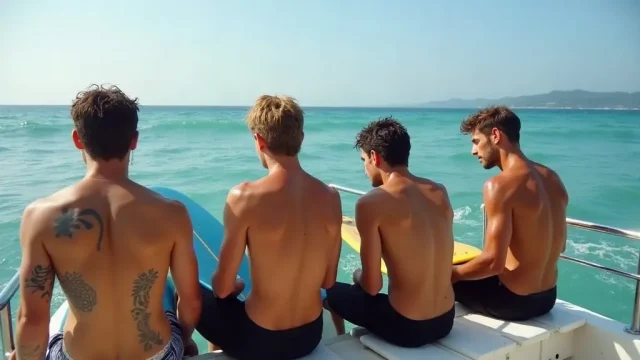
Snorkelling is easy to fit into most Mentawai surf charters on calm days, and many boats carry masks and fins. Scuba diving is different: most surf boats do not carry tanks, a compressor or dive staff, so diving is only possible where an operator specifically offers it. Mentawai is primarily a surf destination, not a dive hub, so arrange diving well in advance.
People who search for Mentawai diving are often surfers with a non-surfing partner, or surfers who want something to do on flat days. The good news is that the islands have warm water, coral reefs and plenty of reef fish. The honest caveat is that the dive infrastructure is thin compared with Indonesia’s established dive regions, and most charter boats are set up for surf first. This guide explains what to expect from snorkelling and diving on a Mentawai liveaboard, when conditions are best, and what to ask an operator before you count on getting underwater.
Snorkelling vs scuba diving on a surf charter
| Snorkelling | Scuba diving | |
|---|---|---|
| Availability on surf boats | Common; many boats carry basic gear | Uncommon; only on boats equipped for it |
| Equipment needed | Mask, snorkel, fins, rash vest | Tanks, regulators, BCDs, compressor, dive staff |
| Certification | None | A recognised scuba certification |
| Best conditions | Calm, small-swell days at sheltered reefs | Calm days with good visibility, planned by qualified staff |
| How to arrange | Ask the crew on the day | Confirm in writing before booking |
What snorkelling is like
On a typical surf charter, snorkelling happens when the swell drops, between surf sessions, or when non-surfers take the second tender to a sheltered reef or beach while the surfers are out. The crew chooses spots that are protected from the swell, because the reefs that make good waves are not safe places to float around when waves are breaking. Expect shallow coral, reef fish and, on good days, turtles or small reef sharks. Visibility varies with rain, swell and currents, so some days are clear and others are murky.
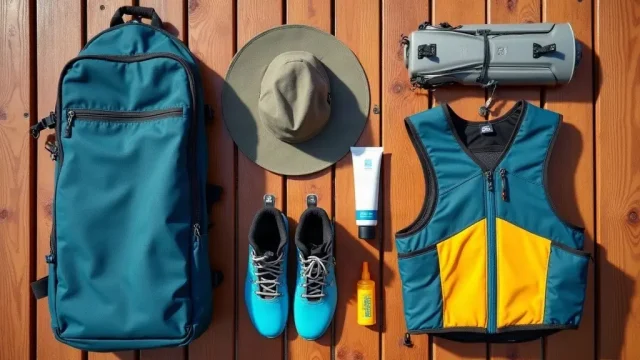
- Bring your own mask if you can; a well-fitting mask makes a big difference.
- Wear a rash vest or thin wetsuit top for sun and minor scrapes.
- Use reef booties for entries and exits over coral.
- Never stand on coral, and only snorkel where the crew says it is safe.
Scuba diving in the Mentawai Islands
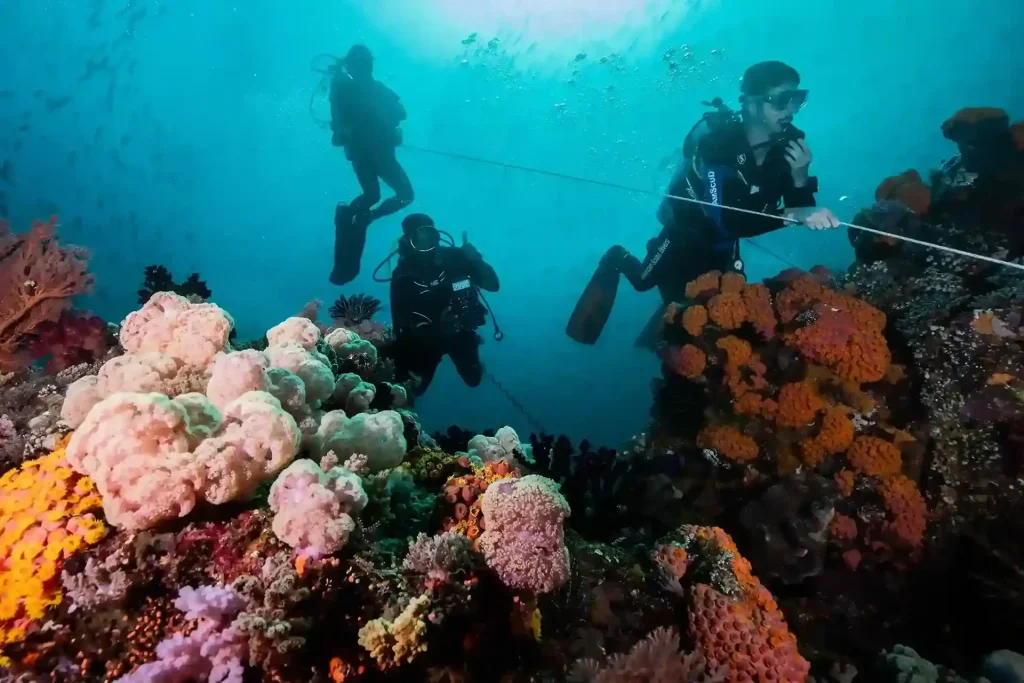
Some boats offer diving and carry the equipment and staff to do it properly, but many advertise only surfing, fishing and snorkelling. If diving matters to your trip, confirm before you book that the boat carries tanks, regulators, a compressor and qualified dive staff, and ask whether diving costs extra. There are also a small number of land-based dive operations in the islands, such as at resorts with house reefs, but they serve their own guests and nearby sites rather than charter boats.
Be realistic about what diving can fit into a surf trip. On a shared surf departure, the plan follows the swell for the whole boat, so dives may be limited to flat spells. On a whole-boat charter your group has more say, and you can ask the captain to plan calm-water stops around the forecast. For how private charters work, see our guide to whether you can book a whole Mentawai surf charter boat.
When conditions are best
The drier months, roughly March or April to October, are generally the calmer, sunnier period for snorkelling and diving, and they overlap with the main surf season. The trade-off is that the biggest swells of June to August can leave fewer calm, clear days. Groups who want a balance of surf and water time often choose April, May, September or early October. From around November to February, rain is more frequent and visibility can drop after heavy showers. No figures for island-wide visibility are reliable enough to quote, so check conditions locally rather than assuming a number. Our Mentawai surf charter season guide explains the months in more detail.
Reef care and safety
Mentawai reefs are fragile and, in the surf zone, often physically battered by waves. Treat them gently. Use reef-conscious sunscreen, do not touch or stand on coral, and do not collect shells or coral. Ask your operator how they handle anchoring and waste.
Safety in the water matters as much as on the boat. Currents can be strong around reef passes, and the islands are remote from hospitals, with the nearest proper medical care in Padang. Snorkel with a buddy, stay within sight of the tender, and make sure your travel insurance covers water activities and medical evacuation. If you plan to dive, check that your policy covers scuba to the depths you plan to dive.
Fitting water time into a surf charter
On a surf trip, the best snorkelling days are often the worst surfing days, and that is useful. When the swell drops or the wind turns onshore, the crew can look for a sheltered bay, a reef on the lee side of an island or a calm lagoon. Many groups also use the middle of the day, when surfers rest between sessions, for a short snorkel near the anchorage. On a shared departure, ask how the crew handles requests from non-surfers, and whether the second tender is free for snorkel trips while surfers are out.
If water time matters a lot to your group, a whole-boat charter in the shoulder months is the most reliable combination. You set the priorities, and calmer seas give the crew more options. Bring your own mask and a rash vest, and do not plan around specific sites: the crew will choose what is safe on the day.
Questions to ask an operator
- Does the boat carry snorkelling gear, and in which sizes?
- Is scuba diving offered on this boat, and who supervises it?
- What dive equipment is carried, and when was it last serviced?
- Is diving included in the price or charged per dive?
- How will water time fit around the surf plan on a shared departure?
- What is the plan for a medical emergency in or under the water?
Quick facts
- Snorkelling: common on calm days; many boats carry masks and fins
- Scuba: not standard on surf boats; only where an operator offers it
- Calmer, drier months: roughly March or April to October
- Best balance of surf and water time: shoulder months
- Certification: none for snorkelling; recognised certification for scuba
- Nearest proper hospital: Padang, on the mainland
Frequently asked questions
Can I scuba dive on a Mentawai surf charter?
Only if the operator offers it with proper equipment and qualified staff. Many surf charters do not, so confirm it in writing before booking rather than assuming it is available.
Is snorkelling included on surf charters?
Often, in the sense that many boats carry basic gear and will run snorkel stops on calm days. It is not guaranteed, so ask what the boat carries and bring your own mask if you can.
Is Mentawai good for non-surfers who like the water?
It can be, especially on a private charter or in the shoulder months, when calm days are more frequent. On a shared surf departure, non-surfers should expect days built around surf sessions.
Do I need experience to snorkel in Mentawai?
No certification is needed, but you should be a confident swimmer. The crew will choose sheltered spots, and you should stay close to the tender.
What is the visibility like?
It varies with rain, swell and currents. Some days are clear, others murky after heavy rain. No reliable island-wide figure exists, so ask the crew about conditions on the day.
Plan surf and water time together
Tell us how much of your trip you would like to spend snorkelling or diving, and we will help you find operators whose boats and schedules suit. Message us on WhatsApp or email bd@juaraholding.com, and see our overview of the Mentawai liveaboard options.