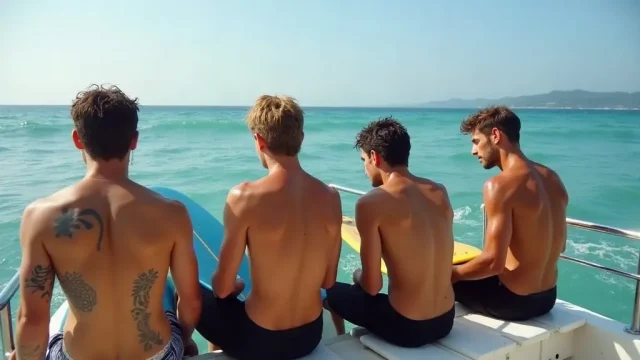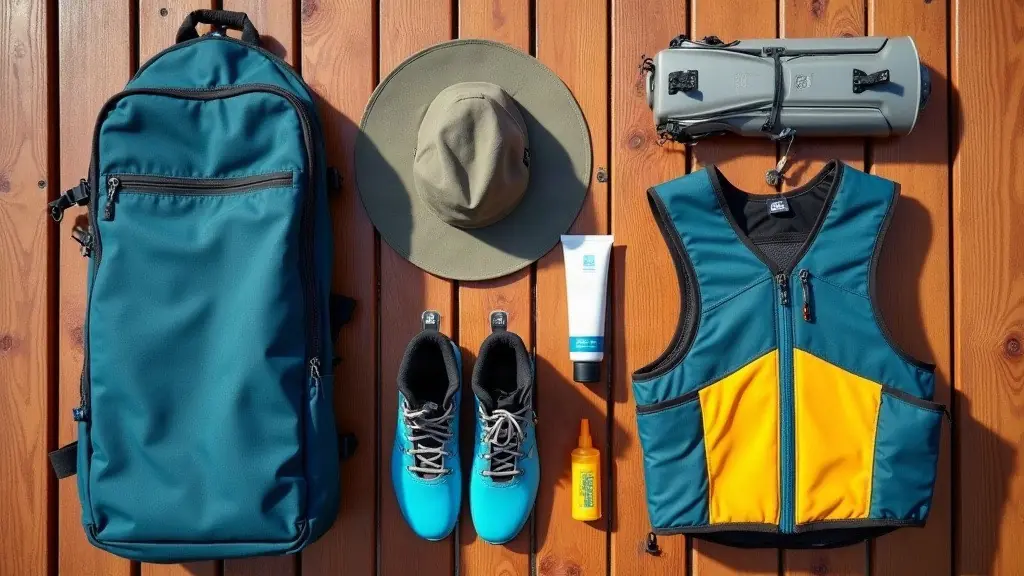
For a Mentawai liveaboard, pack light and self-sufficient: three boards in a well-padded bag, spare fins and leashes, reef booties, a full reef-cut first-aid kit, SPF 50+ sunscreen and rash vests, seasickness medication you have tested, a small dry bag and one soft personal bag. Storage on surf boats is limited, and there are no shops at sea.
Packing for a surf charter is different from packing for a surf camp or a resort. Once the boat leaves Padang, there is nowhere to buy a forgotten fin key, a tube of sunscreen or a seasickness tablet for ten days or more. At the same time, cabins are compact and boards live on deck racks, so overpacking causes its own problems. This liveaboard-specific checklist focuses on what matters on a boat: protecting your boards, treating reef cuts, coping with sun and motion, and keeping your gear dry.
Boards and surf gear
Most surfers bring three boards for a typical 10 to 12 night trip: a daily shortboard, a step-up for bigger, faster waves, and a backup or groveller for smaller days. Four is reasonable on a longer trip if the boat has space, but confirm the board limit with the operator first.
- A heavily padded board bag; boards are handled several times between airport, harbour and boat
- Spare fins, fin keys and fin screws
- Two or three spare leashes and leash strings
- Tropical wax and a wax comb
- A ding-repair kit, such as resin putty that sets in sunlight
- Reef booties for shallow entries and exits
- A surf helmet if you plan to surf heavier, shallow waves
Reef-cut and first-aid kit
Reef cuts are the most common injury on a Mentawai trip, and in the tropics they can become infected quickly. Boats carry first-aid kits, but bring your own so you can treat cuts straight away.
| Item | Why it matters |
|---|---|
| Sterile saline or clean water for rinsing | Flushes coral and dirt from cuts |
| Antiseptic, such as povidone-iodine | Reduces infection risk |
| Gauze, waterproof dressings and tape | Keeps wounds covered between sessions |
| Antibiotic ointment | For minor cuts and grazes |
| Tweezers and disposable gloves | For removing coral fragments and urchin spines |
| Pain relief and personal medicines | In original packaging, with extra supply |
Seek medical advice for deep punctures, embedded coral, spreading redness, swelling or fever. The nearest proper hospital is in Padang, which is another reason to treat small cuts carefully from the start.
Sun, heat and seasickness
- SPF 50+ water-resistant sunscreen and zinc for the face, ideally reef-conscious products
- Long-sleeve rash vests and a surf hat; covering up beats reapplying cream
- Sunglasses with a retaining strap
- SPF lip balm and after-sun or aloe
- Electrolyte sachets and a refillable water bottle
- Seasickness medication recommended by a doctor or pharmacist, tested before the trip
Take seasickness medication before the boat moves, not after you feel unwell. The overnight crossing from Padang is often the bumpiest part of the trip.
Clothing and personal gear
Life on board is barefoot and casual. You need less clothing than you think.
- Quick-dry shorts, a few T-shirts and one light long-sleeve layer for evenings
- A light rain jacket for showers and night crossings
- A small microfibre towel
- A 10 to 20 litre dry bag for tender rides and beach trips
- A waterproof phone case and a headlamp
- Earplugs and an eye mask; engines and generators run at night
- Insect repellent for beach and village stops
- Modest clothing for any village visit
Luggage, flights and money
Bring one soft personal bag plus your board bag. Hard suitcases are awkward to store in small cabins. Domestic airline rules for board bags vary by airline, fare, weight and length, and change often, so check the current sports-equipment policy for your exact booking and prepay if you can. Keep valuables, documents and medicines in a carry-on. Bring some Indonesian rupiah for crew tips, the surf levy if it is not included, and Padang expenses, as card payment is not always possible. For the journey to the boat, see our guide to the Mentawai liveaboard departure from Padang.
Packing for life on a small boat
A surf boat is a shared, compact space. Pack in soft bags or packing cubes so you can store things in a small cabin locker. Keep a small day bag ready with sunscreen, a rash vest, your mask and a water bottle for tender rides. Salt and humidity get into everything, so put electronics, chargers and spare batteries in sealed bags with a few silica gel sachets. Bring a multi-socket adaptor or a short extension, because cabin sockets are limited and often only live when the generator runs. Indonesia uses two-pin round plugs. Label your boards and fins, since several surfers’ gear ends up on the same rack.
What you do not need to pack
Most boats provide bedding, towels for the cabin, drinking water and meals, and many carry snorkelling gear. Ask the operator for their own packing list, and check what is included in a Mentawai surf charter before you buy extras. Leave jewellery, bulky electronics and anything you would hate to see salt-damaged at home.
Quick facts
- Boards: usually three, in a well-padded bag; confirm the boat’s limit
- Must-haves: reef booties, reef-cut kit, SPF 50+, rash vests
- Seasickness: test medication before the trip; take it before departure
- Luggage: one soft bag plus a board bag
- Board fees: vary by airline; check and prepay where possible
- Nearest hospital: Padang, so treat every cut promptly
Frequently asked questions
How many boards should I bring on a Mentawai liveaboard?
Three is typical: a daily shortboard, a step-up and a backup. Bring four on a longer trip only if the boat has space, and check the operator’s limit first.
Do I need reef booties in the Mentawai?
They are strongly recommended. Many breaks are over shallow coral, and booties protect your feet when getting in and out and if you fall.
Can I buy surf gear on the boat or in the islands?
Do not count on it. Some boats carry a few spares, but there are no surf shops at sea. Buy what you need before you leave home or in Padang.
Should I bring a helmet?
It is sensible if you plan to surf heavier, shallow waves such as big days at Lance’s Right. Ask your guide which waves you are likely to surf.
Is a hard suitcase a problem on a surf boat?
Often yes, because cabins have limited space. A soft duffel bag is much easier to store.
Plan the rest of your trip
If you have questions about what your boat provides, or you are still choosing a charter, message us on WhatsApp or email bd@juaraholding.com. You can also start with our overview of the Mentawai liveaboard options.