A Mentawai surf charter is generally safe if you choose a well-equipped boat, surf within your level and prepare for remoteness. The main risks are reef injuries, infected cuts, limited medical care and slow evacuation to Padang. Earthquake and tsunami risk also applies. Good operators carry proper safety gear, communications and first aid. Your own insurance should cover medical evacuation.
Is a Mentawai surf charter safe? It’s a fair question for a trip that takes you to remote reefs hours from the nearest hospital. Thousands of surfers do it every year without serious problems. But Mentawai surf charter safety is not automatic: it depends on the boat, the crew, your own preparation and your choices in the water. This guide explains the real risks and how to reduce them, and gives you a checklist of questions for operators. We are an independent planning guide and don’t operate boats. We help travellers ask the right questions before they book.
Is a Mentawai surf charter safe? The main risks
Reef injuries
Most famous Mentawai waves break over shallow coral reef. Wipeouts can cause cuts, grazes, bruising and, less often, more serious impact injuries. Risk rises sharply on big swells and low tides. Choosing waves that match your ability is the single most effective safety decision you can make.
Infected cuts
In warm tropical water, small coral cuts can become infected quickly. Clean any wound promptly with fresh water, remove debris, apply antiseptic and keep it covered. Seek advice early if you notice spreading redness, swelling, pus, fever or red streaks. Surfing on with an open, worsening wound is a common mistake.
Remoteness and medical access
Island clinics (puskesmas) offer basic care, not trauma surgery. Serious injuries usually need evacuation to Padang on the Sumatran mainland, and sometimes beyond. Depending on weather, location and time of day, that can take many hours. Don’t treat “evacuation available” as a promise of a fast rescue.
Earthquakes and tsunami
The islands sit near a major subduction zone. On 25 October 2010, an earthquake triggered a destructive tsunami that killed hundreds of people and damaged boats in the area (see the 2010 Mentawai earthquake and tsunami). Large events are rare, but ask your operator what its tsunami procedure is, both at anchor and on land.
Mosquito-borne illness
Malaria and other mosquito-borne diseases occur in parts of Indonesia, and the risk varies by island and season. Speak to a travel-medicine clinician before departure about prevention, and use repellent and long sleeves at dawn and dusk.
Sun, heat and fatigue
Equatorial sun, several sessions a day and limited sleep on crossings add up. Dehydration and exhaustion make injuries more likely. Rest days are not wasted days.
Risk and mitigation at a glance
| Risk | How likely | What reduces it |
|---|---|---|
| Reef cuts and grazes | Common | Surf within your level, respect tides, wear booties or a helmet if useful |
| Wound infection | Fairly common if untreated | Prompt cleaning, antiseptic, dressings, early medical advice |
| Serious surf injury | Uncommon | Wave choice, guide advice, avoiding big days beyond your ability |
| Delayed evacuation | Possible in bad weather | Operator emergency plan, satellite comms, insurance with evacuation cover |
| Earthquake or tsunami | Rare | Operator procedures, attention to official warnings |
| Mosquito-borne illness | Varies by area | Medical advice before travel, repellent, nets |
| Seasickness | Common on crossings | Medication, sleeping through overnight moves |
Safety equipment a good boat should carry
When you compare boats, ask whether the following is on board, maintained and demonstrated at the start of the trip:
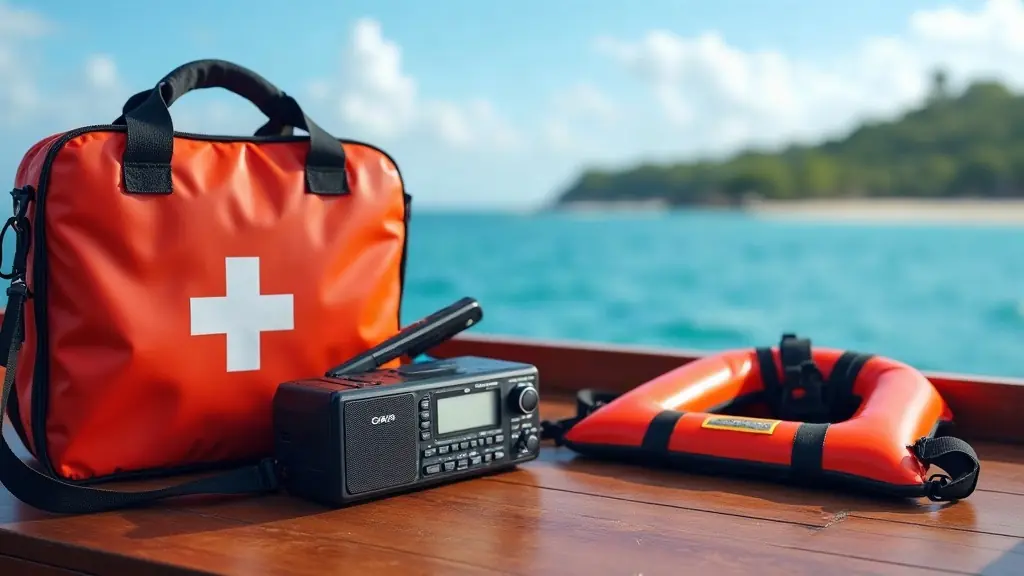
- Lifejackets for every passenger, in suitable sizes.
- Life raft or approved flotation for everyone aboard.
- EPIRB or personal locator beacons.
- Marine VHF radio plus independent satellite communication.
- GPS, charts, navigation lights, flares and fire extinguishers.
- A substantial first-aid and wound-care kit, ideally with a crew member trained to use it.
- Reliable tenders with spare engines or fuel, and a radio link between tender and boat.
- A passenger manifest held on shore.
Questions to ask an operator
- What is your emergency and medical evacuation plan, and who do you call first?
- What communications do you carry when out of mobile range?
- Does any crew member hold current first-aid training?
- What is your procedure after an earthquake or tsunami warning?
- How do you match breaks to guests’ ability on bigger days?
- Will you share vessel registration and the captain’s qualifications?
Operators who answer clearly and in writing usually take safety seriously. To understand the onboard routine these answers fit into, see our guide on how Mentawai surf charters work, and check what is included in a Mentawai surf charter so you know what you need to bring yourself.
Safety in the water
Most incidents on surf trips happen in the line-up, not on the boat. A few habits make a real difference:
- Listen to the briefing. A good guide explains the channel, the shallow sections and where to wait for the tender at each break.
- Know the tide. Many reefs become much shallower at low tide. Ask when the reef is at its most exposed.
- Don’t paddle out alone. Surf with at least one other person and stay within sight of the tender.
- Respect the crowd. Collisions and dropped-in waves cause injuries. Follow local etiquette and give way to the surfer deepest on the wave.
- Stop when you’re tired. Late-afternoon sessions on a long day are when mistakes happen.
On bigger swells, an honest guide will tell you when a wave is beyond your level. Take that advice seriously. There’s almost always a smaller, safer option nearby.
Your own preparation
Your preparation matters as much as the boat’s. Before you travel:
- Insurance: choose a policy that explicitly covers surfing, boat travel, remote-area rescue and emergency medical evacuation. Read the exclusions.
- First aid: pack your own kit with antiseptic, waterproof dressings, wound strips and any personal medication.
- Health check: visit a travel-medicine clinic for vaccinations and mosquito advice.
- Fitness: paddle fitness and breath-hold confidence make a big difference on reef waves.
- Honesty about level: tell the operator your real ability. If you are still building confidence, our page on a surf charter for intermediate surfers explains which conditions to look for.
Quick facts
- Most common problems: reef cuts and infections.
- Nearest major hospitals: on the mainland, generally in Padang.
- Evacuation can take hours, especially at night or in bad weather.
- Region has earthquake and tsunami risk; the 2010 tsunami struck the islands.
- Essential: insurance that covers surfing and medical evacuation.
- Choose boats with satellite comms, EPIRB, life rafts and trained first-aiders.
Frequently asked questions
Is Mentawai surf charter safety good for intermediates?
It can be, if you go in suitable conditions. Shoulder-season trips and a guide who chooses waves to match the group make a big difference. Intermediates should avoid the heaviest reefs on big swells.
Do surf charters have a doctor on board?
Generally not. Some crew members hold first-aid training, but a doctor on board is unusual. Ask each operator about their medical training and kit.
How long does evacuation to Padang take?
It depends on where the boat is, the weather and the transport available. It can range from a few hours to considerably longer. Plan for remoteness rather than assuming a quick transfer.
Should I wear a helmet or booties?
Many surfers wear booties at shallow reefs, and some wear helmets on heavy waves. Neither is compulsory, but both reduce injury risk in the right conditions.
Is the sea crossing from Padang dangerous?
Crossings are routine for experienced crews, but weather can delay departures. Seasickness is more common than any real danger. Trust a skipper who postpones in poor conditions.
Plan a safer trip
If you’d like help shortlisting boats with clear safety procedures, tell us your dates, group and surf level. Contact us on WhatsApp or at bd@juaraholding.com, and read our main guide to choosing a Mentawai liveaboard.